
Care
How to care for an orchid so it keeps flowering for months
· 6 min read
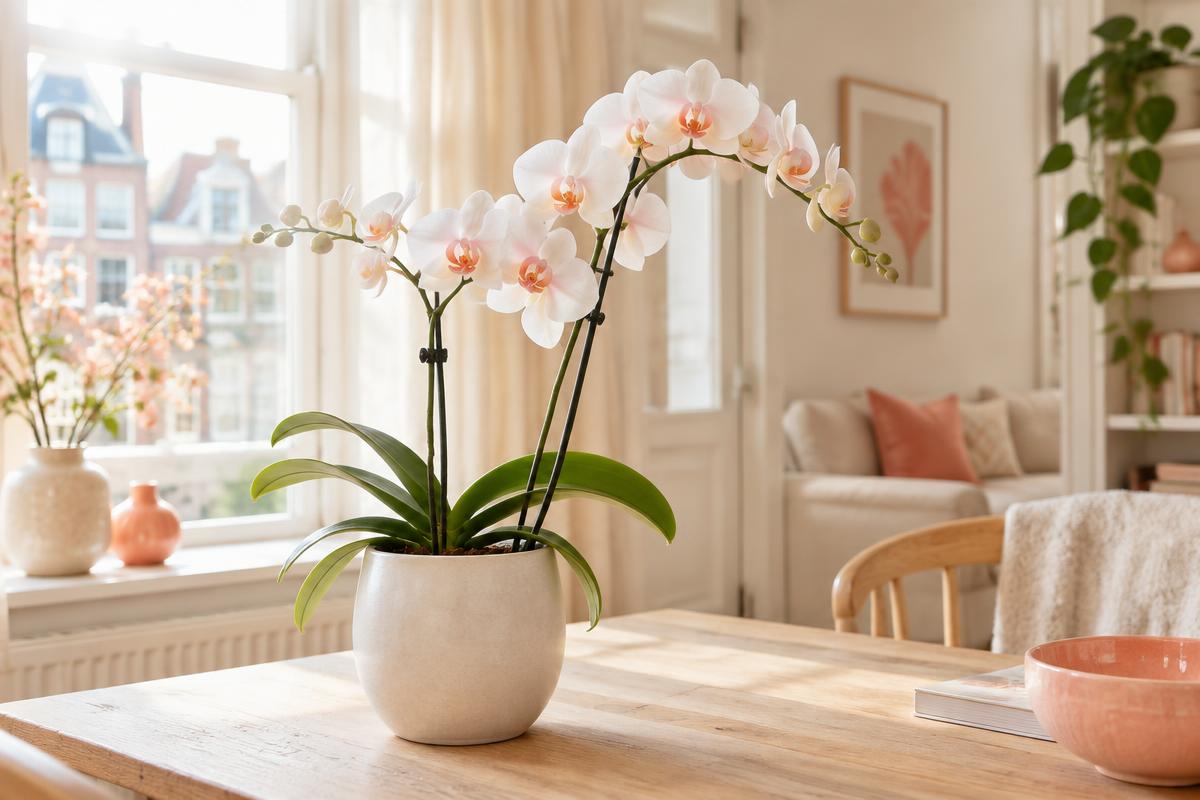
The phalaenopsis is the most gifted houseplant in the Netherlands: and also the one most often thrown away. Usually that is not neglect but over-caring: too much water. Follow a handful of simple rules and an orchid will flower for three to six months at a time, sometimes for years.
Watering: less than you think
Water once a week by standing the pot in a shallow layer of lukewarm water for five to ten minutes, or soak it in the sink and let it drain thoroughly. Roots left sitting in a wet saucer rot within weeks, that is what kills most orchids.
If you are unsure, wait another two days. An orchid tolerates drought far better than wet feet. Use rainwater or lukewarm tap water; very hard water leaves white edges on the roots.
Light and placement
Phalaenopsis orchids want plenty of light but never direct sun. An east or north-facing window is ideal; on the south side keep some distance or place the plant behind a curtain. Too little light is the usual reason an orchid never flowers again.
Keep it away from radiators and draughts. A temperature between 18 and 24 degrees with a slight drop at night, leave a window slightly open, actually encourages bud formation.
Read the roots, not the leaves
The roots tell you everything. Healthy roots are firm and green when wet, silvery grey when dry. Soft, brown or hollow roots mean too much water; wrinkled leaves mean the root system has died and the plant can no longer drink.
Growing in a clear pot? Then you can see all of this at a glance, that is exactly why growers use them. Keep the plant in a decorative pot for display and lift it out to water.
After flowering: getting it to bloom again
When the last flower fades, there is no need to throw the plant away. Cut the flower spike back to just above the second thick node from the bottom. On a healthy plant, a new spike with flowers grows from that node within two to three months.
If you prefer to let the plant fully recover, cut the whole spike away and feed a small amount of orchid fertilizer once every two weeks. In autumn or winter, six to eight weeks of cooler nights (around 16 degrees) help trigger bud formation.
Repotting and common mistakes
Repot only in special orchid bark, and only after flowering or when the bark has broken down, roughly once every two years. Never use ordinary potting soil: it holds the moisture that kills the roots.
The three mistakes we see most: a saucer that always holds water, a spot in bright afternoon sun, and cutting off faded flowers together with a leaf. Only remove the spent part of the spike and leave the green leaf alone.
In short
Soak once a week and drain fully, give plenty of light without direct sun, and cut the spike back to above the second node after flowering. That turns weeks of bloom into months.
Read next
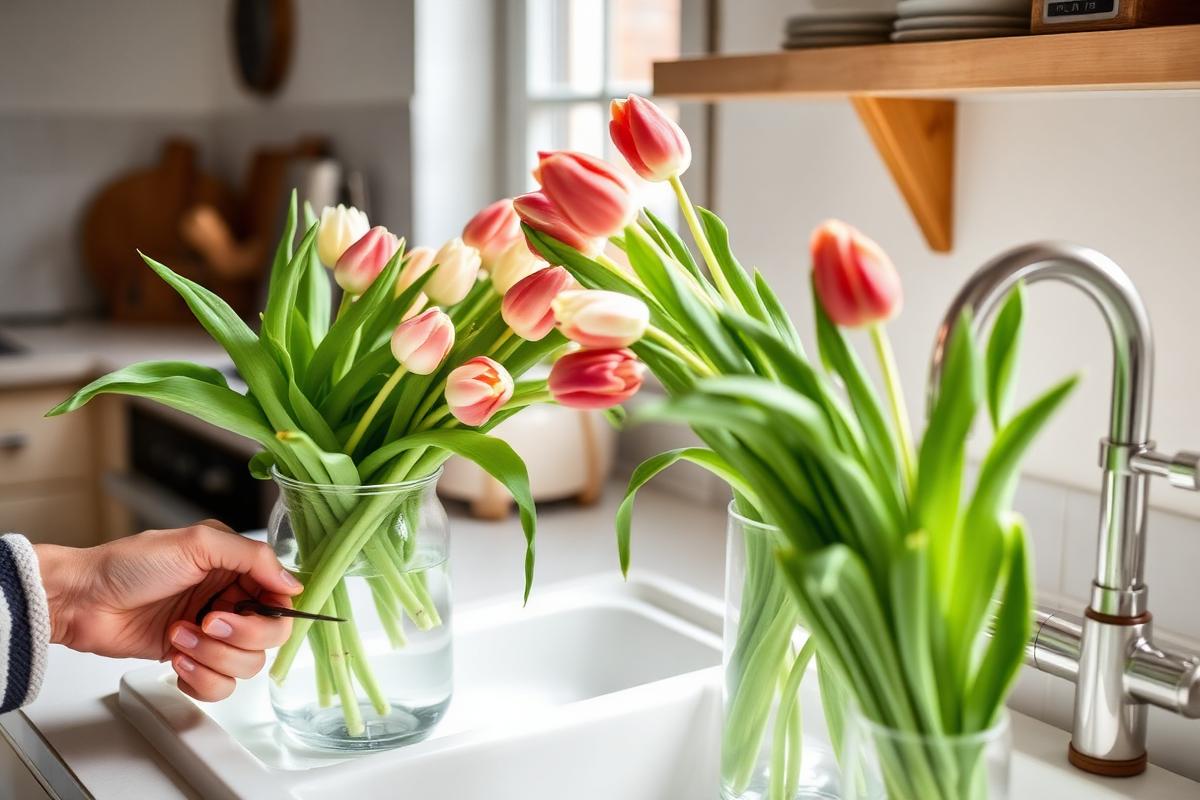 Care guidesHow to care for tulips so they last twice as longWhy do tulips droop after two days? Everything about water, cutting, light and the pin-prick trick Dutch florists have used for generations.5 min read
 Care guidesHow to keep roses fresh longer: 9 tips that truly helpDrooping heads, cloudy water, buds that never open, and what to do about them. The care routine we give every customer.5 min read
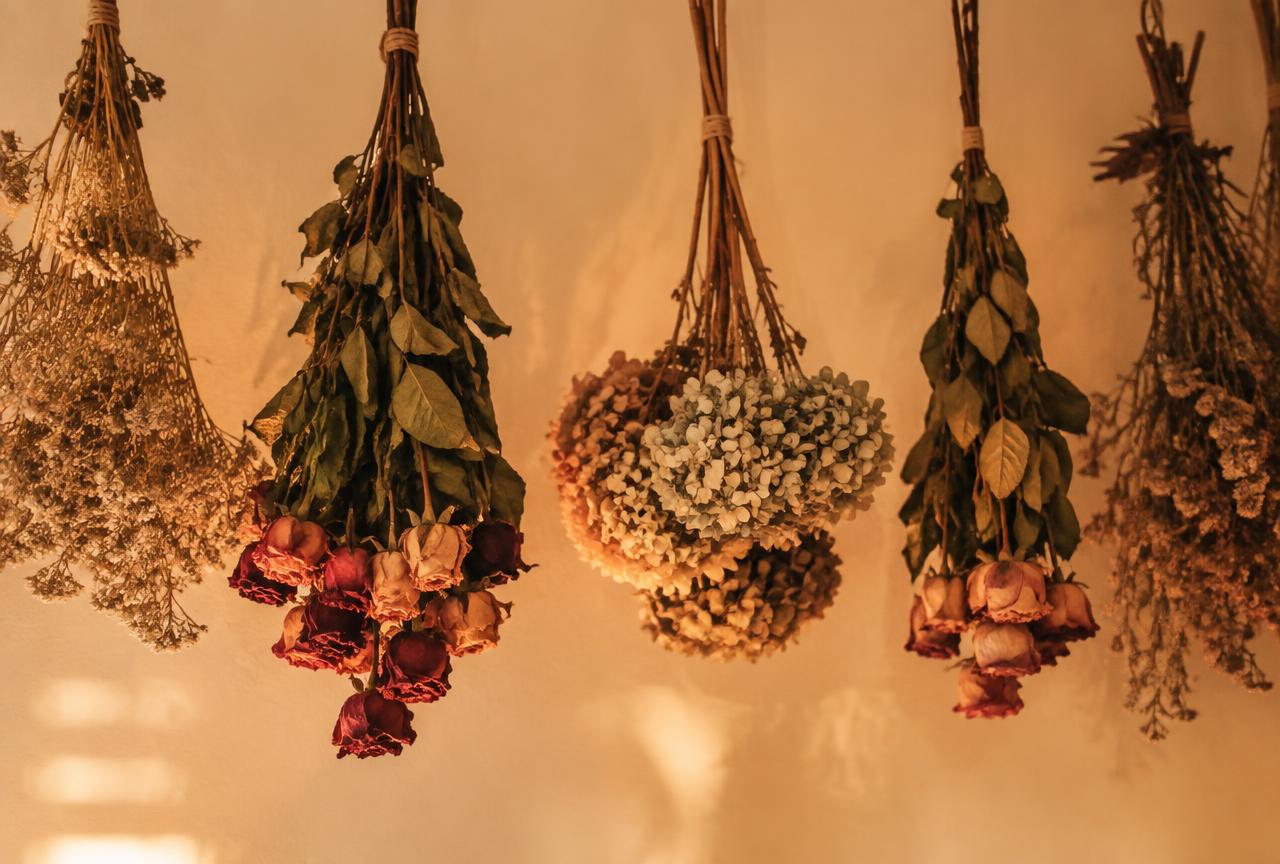 Care guidesHow to dry flowers and keep your bouquet for monthsDrying roses, hydrangeas, lavender or a wedding bouquet? These four methods keep the shape and colour, and show you exactly which flowers are worth drying.6 min read