
Care
Hydrangea care: in a vase, in a pot and in the garden
· 6 min read
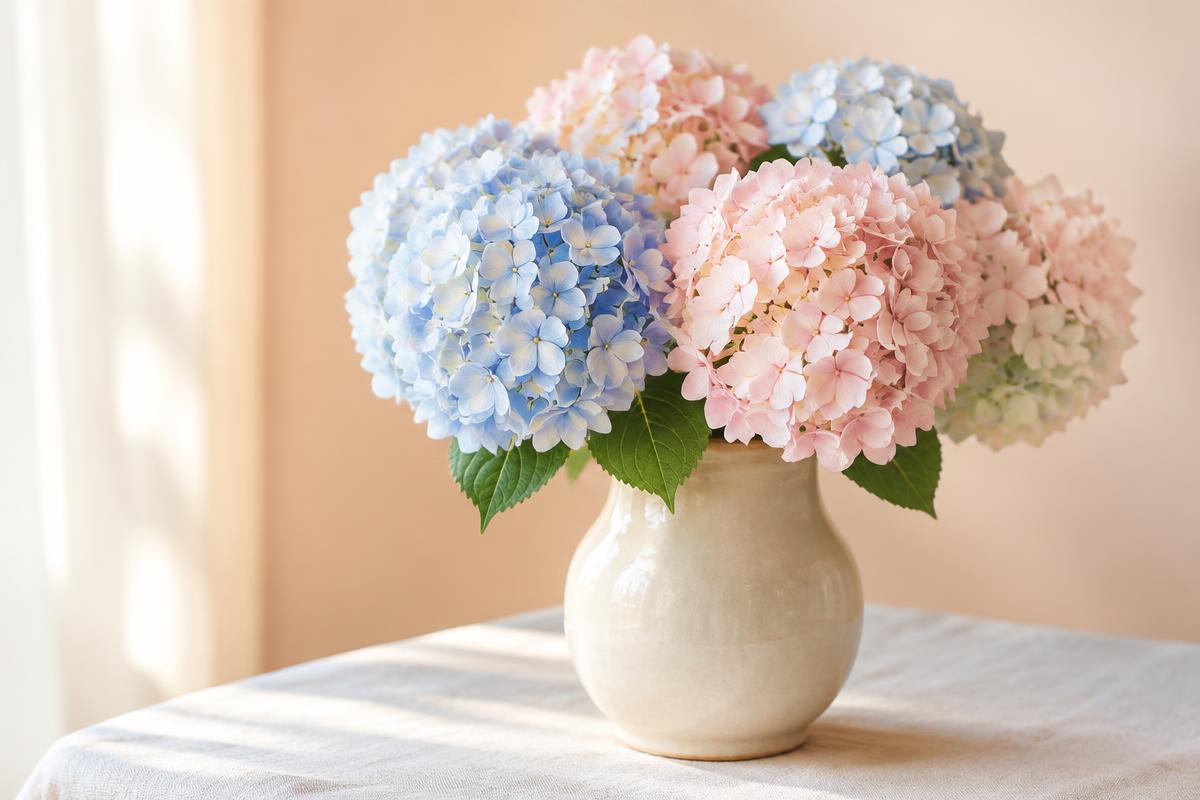
No flower is as loved and as misunderstood as the hydrangea. Those full domes of tiny florets drink an enormous amount of water, and that is exactly where things usually go wrong. Follow the rules below and a hydrangea will last well over a week in the vase, and a plant will stay healthy for years.
Hydrangea in a vase: water is everything
Cut the stem at an angle and put it straight into a vase with plenty of water, at least halfway up the stem. Most flowers want shallow water; hydrangeas want deep water, because they also absorb moisture through the stem wall.
Remove any leaves below the waterline. Submerged foliage rots, the water turns cloudy and the flower stops drinking.
Refresh the water every two days and trim half a centimetre off the stem each time. A clean vase does more for vase life than any sachet of flower food.
The dunking trick for a wilted hydrangea
Head drooping anyway? Don't throw it out. Submerge the entire flower head and part of the stem in a bowl of cold water for fifteen to thirty minutes. The head takes up moisture through the florets and usually springs back completely.
Then recut the stem at an angle and return it to fresh, cold water. With hydrangeas this trick works several times over, with almost no other flower does it work at all.
Hydrangeas in pots, indoors and on a balcony
A potted hydrangea wants a bright spot out of harsh midday sun, and soil that never dries out completely. Check the top layer daily: if it feels dry, water until it runs out of the bottom, then empty the saucer.
Indoors, a flowering hydrangea lasts six to eight weeks. After that, move it outside or into the garden, it was never built to be a long-term houseplant.
For some mophead hydrangeas, blue or pink depends on soil acidity and available aluminium; white flowers do not change in the same way. Rainwater can reduce lime build-up but does not guarantee blue flowers.
In the garden: pruning and overwintering
The familiar mophead hydrangea forms next year's buds during the summer. So never cut it back hard in autumn: in March, remove only the old spent domes down to just above the first healthy pair of buds.
Leave faded flowers on the plant through winter; they shield the new buds from frost. A layer of compost or leaf mould around the base does the rest.
Move plants in early spring or autumn, into a generous hole with fresh soil, and water well for the first few weeks.
Drying hydrangeas
Hydrangeas are the easiest dried flower there is. Simply let the flower drink the vase dry without topping it up: it dries slowly and keeps its shape.
For drying, harvest in late summer, when the florets start to feel slightly papery. They then fade to a beautiful vintage tone instead of brown.
In short
Deep water, a clean vase, no leaves below the waterline, and dunk the whole head if it wilts. In a pot: bright light, never bone dry. In the garden: prune in March only. Want a bouquet with hydrangeas? Send us a message.
Read next
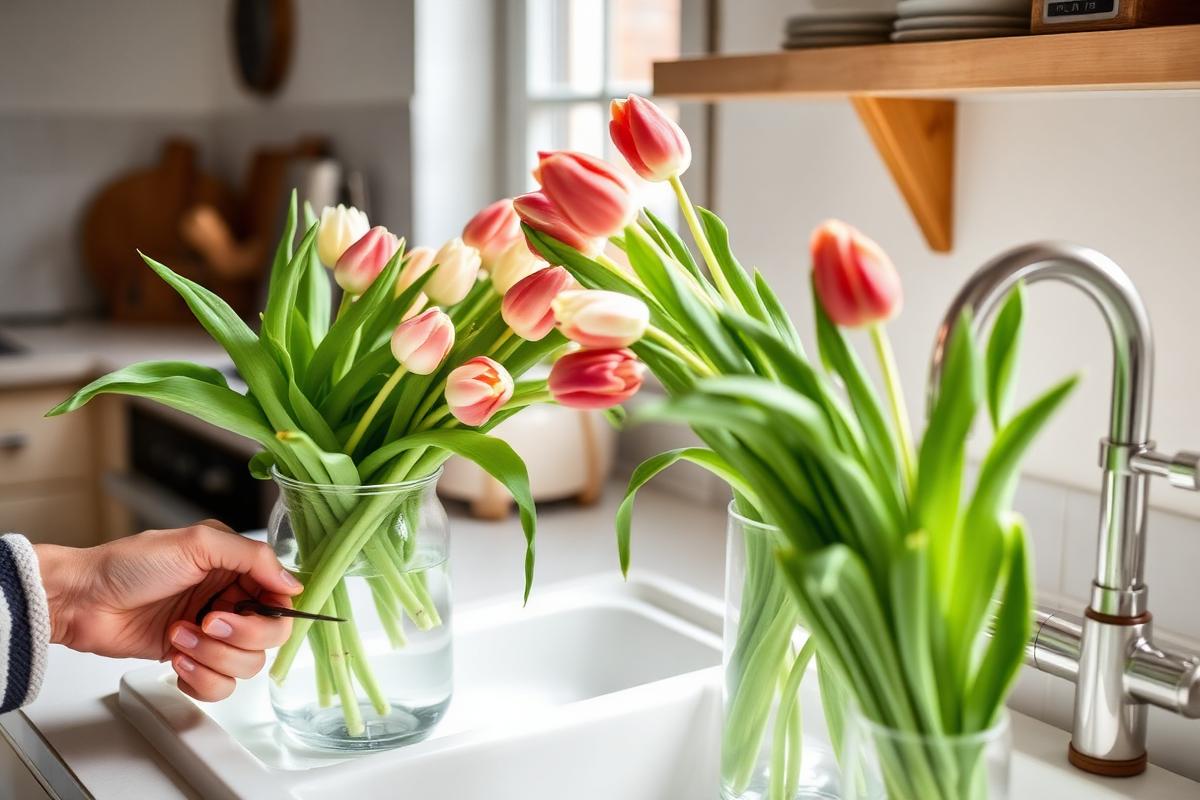 Care guidesHow to care for tulips so they last twice as longWhy do tulips droop after two days? Everything about water, cutting, light and the pin-prick trick Dutch florists have used for generations.5 min read
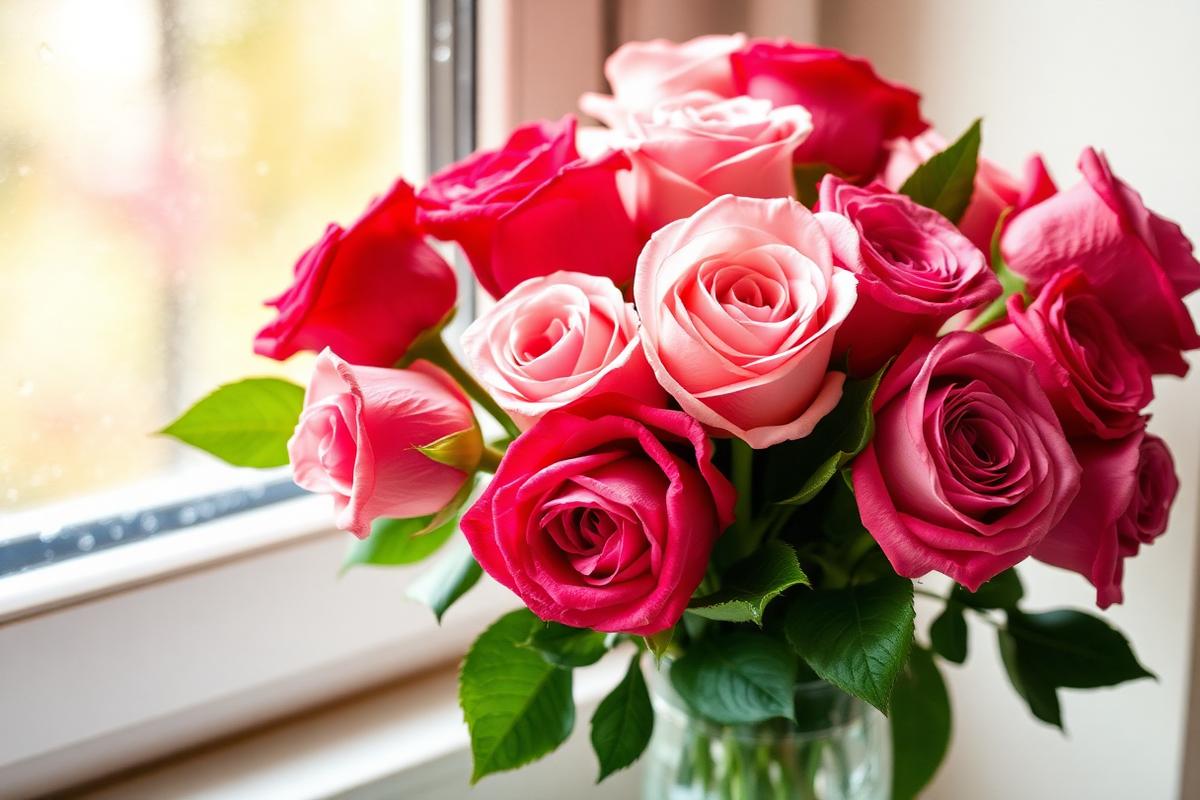 Care guidesHow to keep roses fresh longer: 9 tips that truly helpDrooping heads, cloudy water, buds that never open, and what to do about them. The care routine we give every customer.5 min read
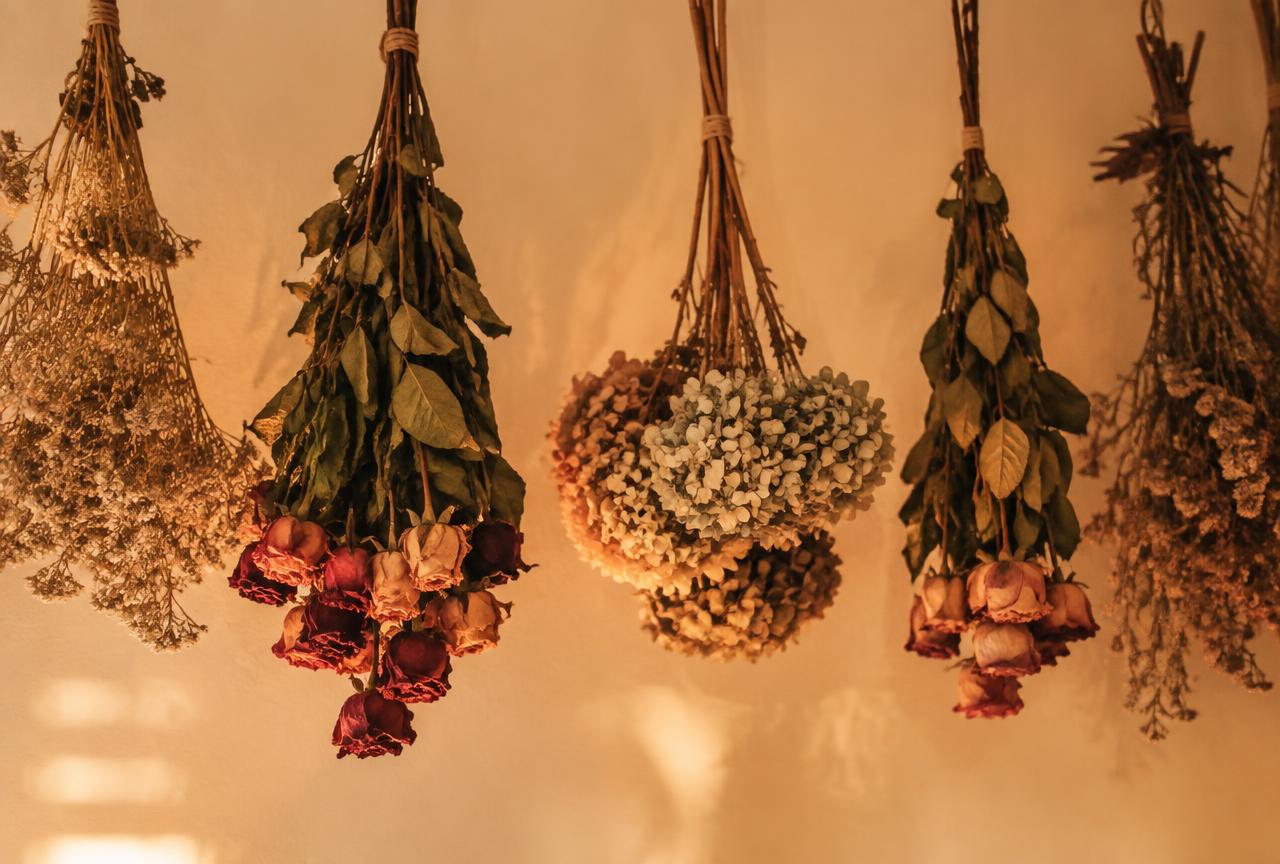 Care guidesHow to dry flowers and keep your bouquet for monthsDrying roses, hydrangeas, lavender or a wedding bouquet? These four methods keep the shape and colour, and show you exactly which flowers are worth drying.6 min read